Case Studies
Sustainable Supply Chain
A design system framework that connects visual consistency with performance, helping brands scale design with speed and structure.
Industry
Healthcare
Published
Services
Environmental Consulting
Duration
2 Year

Overview
As climate change accelerates, energy prices continue to rise, and environmental responsibility becomes a global priority, renewable energy is no longer an option—it is a necessity. Around the world, businesses, governments, and communities are actively transitioning toward clean and renewable energy sources to reduce carbon emissions, decrease dependence on fossil fuels, and ensure a more resilient and sustainable future.
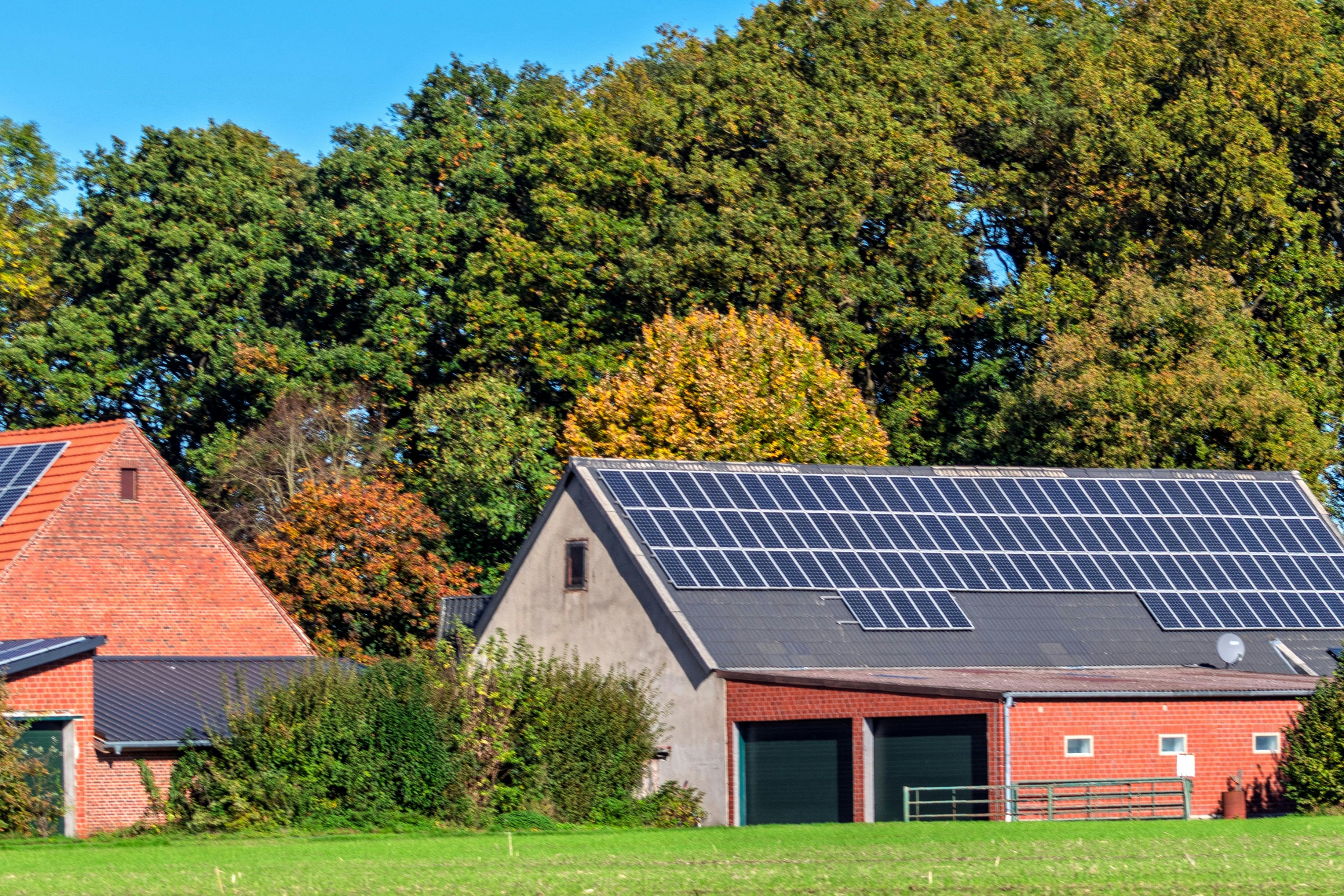
Renewable energy plays a vital role in addressing today’s environmental challenges while also supporting long-term economic stability and growth. By harnessing natural resources such as sunlight, wind, and water, renewable energy systems provide cleaner, more reliable power with significantly lower environmental impact. In addition, advancements in energy storage technologies and smart energy management systems are making renewable solutions more efficient, scalable, and accessible than ever before.
From solar and wind power to innovative battery storage and hybrid energy solutions, the global shift toward renewable energy is transforming how we generate, distribute, and consume electricity. This transition not only helps combat climate change but also creates new job opportunities, drives technological innovation, and strengthens energy security—paving the way for a cleaner, greener, and more sustainable world for future generations.
Benefits
The transition to renewable energy represents a defining step toward a more sustainable, resilient, and responsible future. As the world faces the combined challenges of climate change, rising energy demands, and environmental degradation, renewable energy offers a practical and long-term solution. By reducing reliance on fossil fuels, clean energy systems help lower carbon emissions, protect natural ecosystems, and improve overall environmental quality.
Beyond its environmental benefits, renewable energy plays a crucial role in strengthening economic growth and energy security. Investments in solar, wind, and advanced energy storage technologies drive innovation, create employment opportunities, and reduce exposure to volatile energy markets. For businesses and governments alike, adopting renewable energy is not only an environmentally responsible decision but also a strategic move toward long-term cost efficiency and operational stability.
Ultimately, embracing renewable energy is an investment in the future—one that supports sustainable development, empowers communities, and ensures access to clean, reliable power for generations to come. Through collective action, policy support, and continued technological advancement, renewable energy can become the cornerstone of a cleaner, greener, and more sustainable global energy system.


Conclusion