Pollution Control
Aug 4, 2025
Innovative energy strategies for urban areas.
See how creative, green solutions are helping protect nature while building smarter, more sustainable industries.
Introduction
As cities expand and energy demand rises, contemporary urban areas are turning to innovative energy strategies to ensure sustainability and resilience. Smart grids, decentralized renewable systems, and energy-efficient buildings are transforming how cities generate and manage power. Urban planners are integrating solar rooftops, wind solutions, electric mobility, and advanced energy storage to reduce dependence on fossil fuels. Digital technologies and data-driven management further optimize energy use, lower emissions, and improve reliability. These innovative approaches enable cities to support economic growth, enhance quality of life, and build a cleaner, more sustainable urban future.
What Is Renewable Energy?
Contemporary urban areas face growing energy demands, population density, and environmental pressures. Innovative energy strategies are essential to ensure sustainable, reliable, and efficient power for cities of the future.
These strategies focus on optimizing energy production, distribution, and consumption through advanced technologies and smart planning. By integrating renewable energy and modern infrastructure, cities can reduce carbon emissions, improve resilience, and enhance quality of life.
Key innovative energy strategies include:
Smart grids: Efficiently manage electricity supply and demand using real-time data.
Renewable integration: Solar panels, wind turbines, and urban hydropower reduce dependence on fossil fuels.
Energy-efficient buildings: Use of LED lighting, insulation, and smart energy systems.
Energy storage solutions: Batteries and other storage technologies help balance supply and demand.
Electric mobility: Supporting electric public transport and EV infrastructure to lower urban emissions.
These approaches enable cities to become cleaner, greener, and more resilient, creating sustainable urban environments for residents and businesses alike.
Why Renewable Energy Matters for Sustainability
Contemporary urban areas face growing energy demand, population density, and environmental challenges. Innovative energy strategies are essential to make cities more sustainable, efficient, and resilient.
Beyond environmental benefits, renewable energy also enhances energy security and reduces long-term operational costs. Businesses that invest in clean energy are better positioned to meet regulatory requirements and stakeholder expectations.
The Business Benefits of Renewable Energy
⚡ Smart Grid Implementation
Advanced grids optimize energy distribution, reduce losses, and integrate renewable sources efficiently.
🌱 Renewable Energy Integration
Solar, wind, and other clean energy sources power urban areas sustainably, cutting carbon emissions.
🏙️ Energy-Efficient Infrastructure
Modern buildings use intelligent systems, LED lighting, and sustainable materials to reduce energy demand.
🔋 Energy Storage Solutions
Batteries and other storage technologies balance supply and demand, ensuring reliable urban power.
📊 Data-Driven Energy Management
IoT and analytics monitor usage patterns, enabling cities to optimize energy consumption and costs.
Smart Grid Implementation
Modern urban areas are adopting smart grid technologies to optimize energy distribution and consumption. Smart grids enable real-time monitoring, efficient load management, and integration of renewable energy sources, reducing wastage and improving reliability.
Renewable Energy Integration
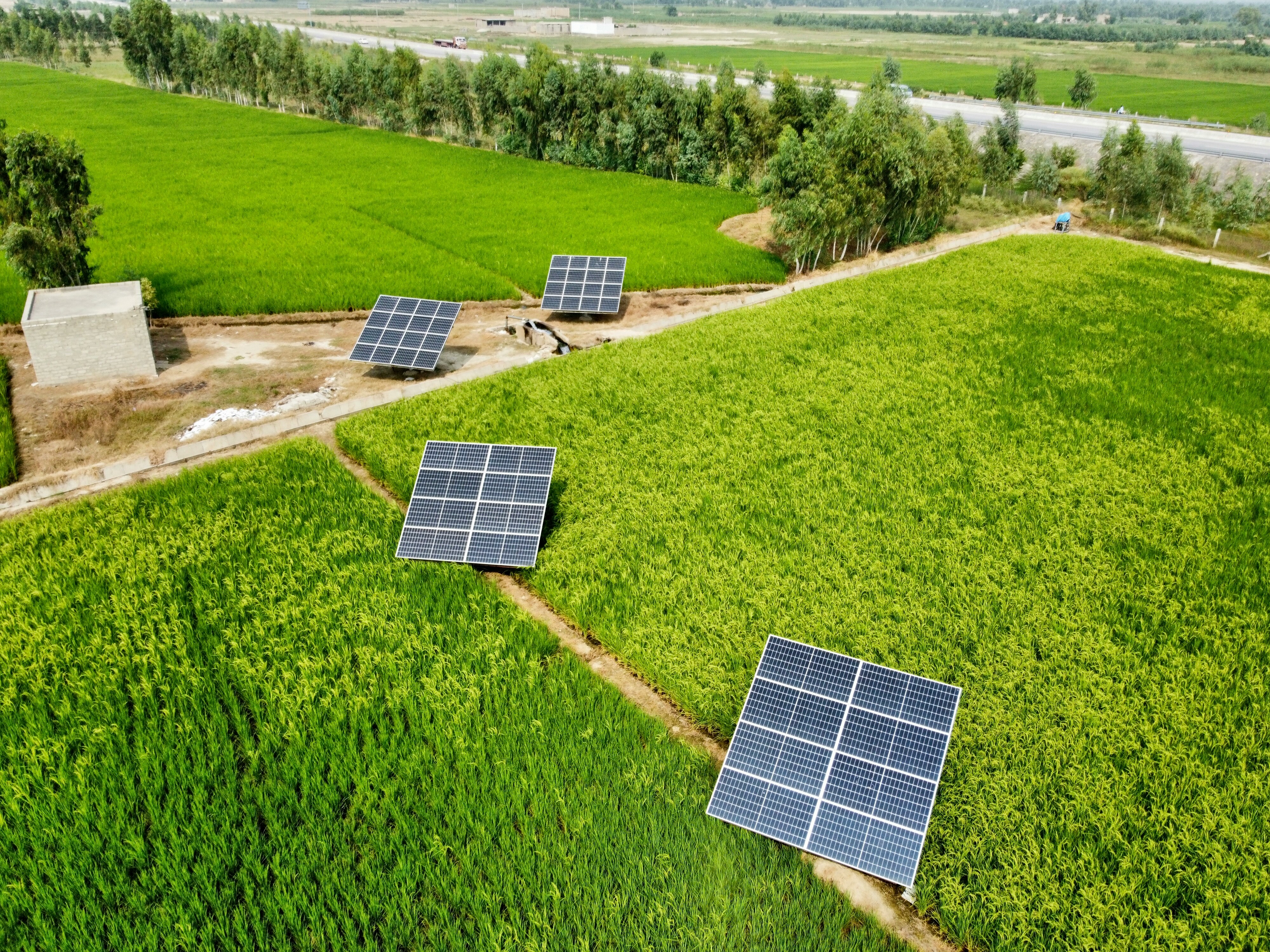
Cities are increasingly using solar panels, wind turbines, and bioenergy solutions to supplement traditional energy supply. Incorporating renewables lowers carbon emissions, decreases dependence on fossil fuels, and promotes cleaner, more resilient urban infrastructure.
Energy Storage and Microgrids
Energy storage technologies, such as batteries and microgrids, allow cities to store surplus renewable energy and maintain supply during peak demand or outages. This improves energy security, flexibility, and grid stability in densely populated areas.